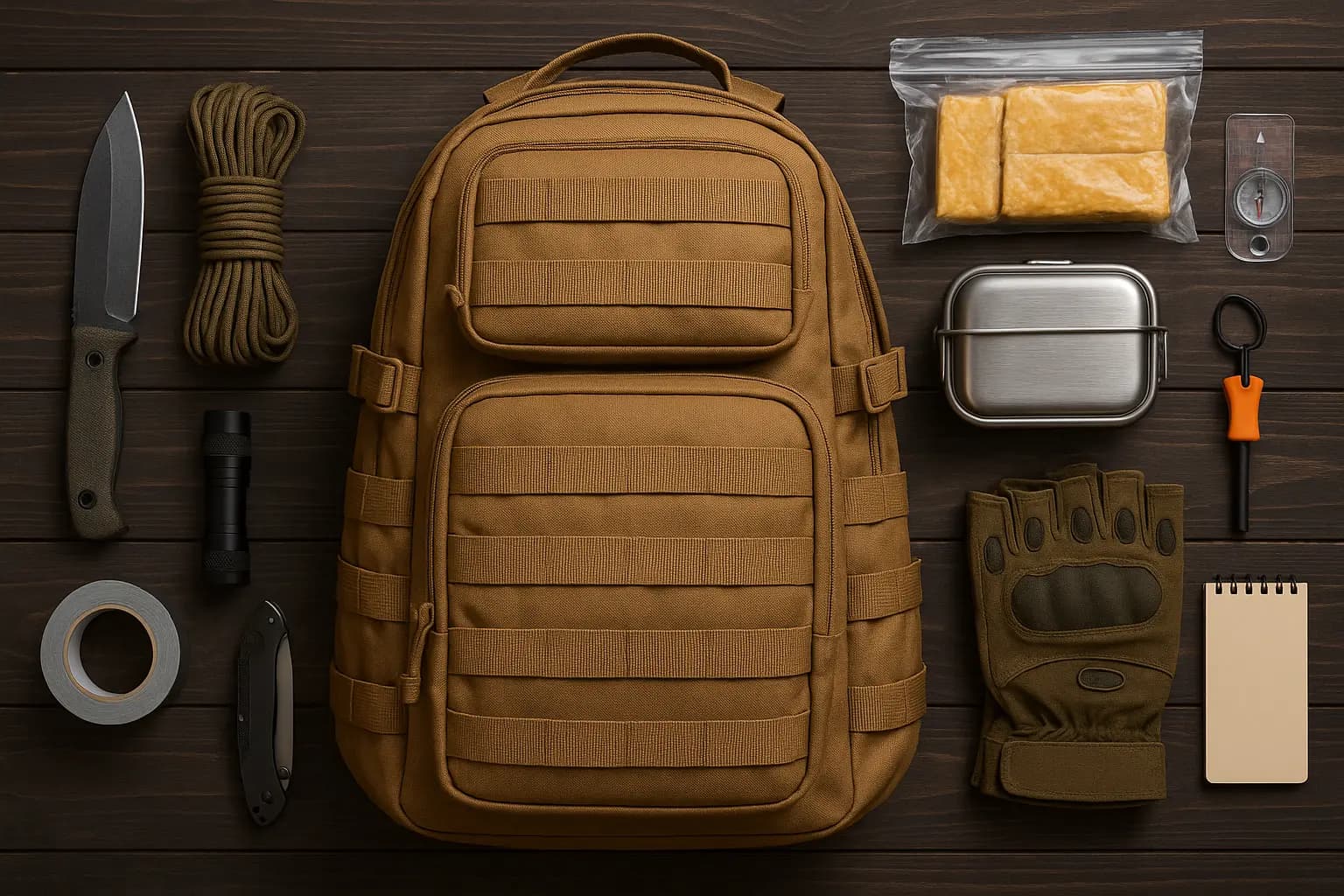
Car Emergency Kit UK: What to Keep in Your Vehicle Year-Round
Complete guide to building a UK car emergency kit. Essential items for breakdowns, accidents, and getting stranded in all weather conditions.
Why Every UK Driver Needs a Car Emergency Kit
British weather is unpredictable, and breakdowns can happen anywhere. Being prepared means the difference between a minor inconvenience and a dangerous situation—especially on remote roads or during winter.
The Complete UK Car Emergency Kit
Breakdown Essentials
| Item | Purpose |
|---|---|
| Warning triangle | Legal requirement in many EU countries |
| Hi-vis vest | Safety when outside vehicle |
| Torch + batteries | Night-time visibility |
| Jump leads | Dead battery start |
| Tow rope | Vehicle recovery |
| Tyre inflator | Fix slow punctures |
| Tyre sealant | Temporary puncture repair |
Weather Preparedness
| Item | Summer | Winter |
|---|---|---|
| Sunscreen | ✓ | |
| Water (2L per person) | ✓ | ✓ |
| Ice scraper | ✓ | |
| De-icer | ✓ | |
| Blanket | ✓ | |
| Hand warmers | ✓ | |
| Shovel | ✓ | |
| Cat litter/sand | ✓ | |
| Warm clothes | ✓ |
Safety Equipment
- First aid kit (BS 8599-2 compliant)
- Fire extinguisher (dry powder)
- Seatbelt cutter
- Window breaker
- Reflective markers
Comfort and Survival
- Phone charger (car + USB)
- Snacks (energy bars, sweets)
- Basic tool kit
- Duct tape
- Cable ties
- Tissues/wet wipes
- Bin bags
- Pen and paper
Documents
- Insurance details
- Breakdown cover card
- Emergency contacts
- Medical information
- Basic vehicle manual
Winter Driving Additions
UK winters can be brutal, especially in Scotland and Northern England.
Essential Winter Items
- Thermal blanket
- Extra warm clothing
- Snow chains or socks
- Additional snacks
- Thermos flask
- Wind-up torch
- Snow shovel
- Ice scraper with brush
If You Get Stuck in Snow
- Stay with your vehicle
- Run engine 10 minutes per hour for heat
- Keep exhaust clear of snow
- Use blankets for insulation
- Put on hazard lights
- Wait for help
Summer Driving Considerations
Heatwave Kit Additions
- Extra water (4L minimum)
- Sunshade for windscreen
- Coolant
- Sunscreen
- Wide-brimmed hat
- Umbrella (shade)
If You Break Down in Heat
- Park in shade if possible
- Open windows before leaving
- Stay hydrated
- Never leave children or pets in car
- Use sunshade if waiting
Where to Store Your Kit
| Location | Pros | Cons |
|---|---|---|
| Boot | Easy access, large items | May get buried |
| Under seat | Quick access | Limited space |
| Door pocket | Very accessible | Very limited |
| Dedicated bag | Organised, portable | Takes boot space |
Tip: Keep a small emergency pouch in the glove box with essentials you might need quickly.
Maintenance Schedule
Monthly:
- Check torch batteries
- Top up water
- Inspect first aid kit
Seasonally:
- Rotate food items
- Update seasonal items
- Check tool condition
Annually:
- Replace all perishables
- Service fire extinguisher
- Update documents
Legal Requirements
In the UK, no emergency equipment is legally required (except if driving abroad). However, these items are recommended:
- Warning triangle
- Hi-vis vest
- First aid kit
- Fire extinguisher
For European driving: Warning triangle and hi-vis vest are mandatory in many countries.
Budget Kit vs Premium Kit
| Budget Kit (Under £50) | Premium Kit (£100-150) |
|---|---|
| Basic first aid kit | Comprehensive first aid |
| Manual tyre pump | Electric tyre inflator |
| Torch | Torch + headlamp |
| Basic jump leads | Heavy-duty jump leads |
| Cheap blanket | Thermal survival blanket |
| Basic tools | Quality tool kit |
Key Takeaways
A well-stocked car emergency kit could save your life or make a stressful breakdown manageable. Build your kit gradually, maintain it regularly, and adjust for seasonal conditions.