
Featured
Gear Reviews
Faraday Bags, Pouches and Boxes Explained: EMP Protection and Car Key Security
3 Jun 2026
4 min read
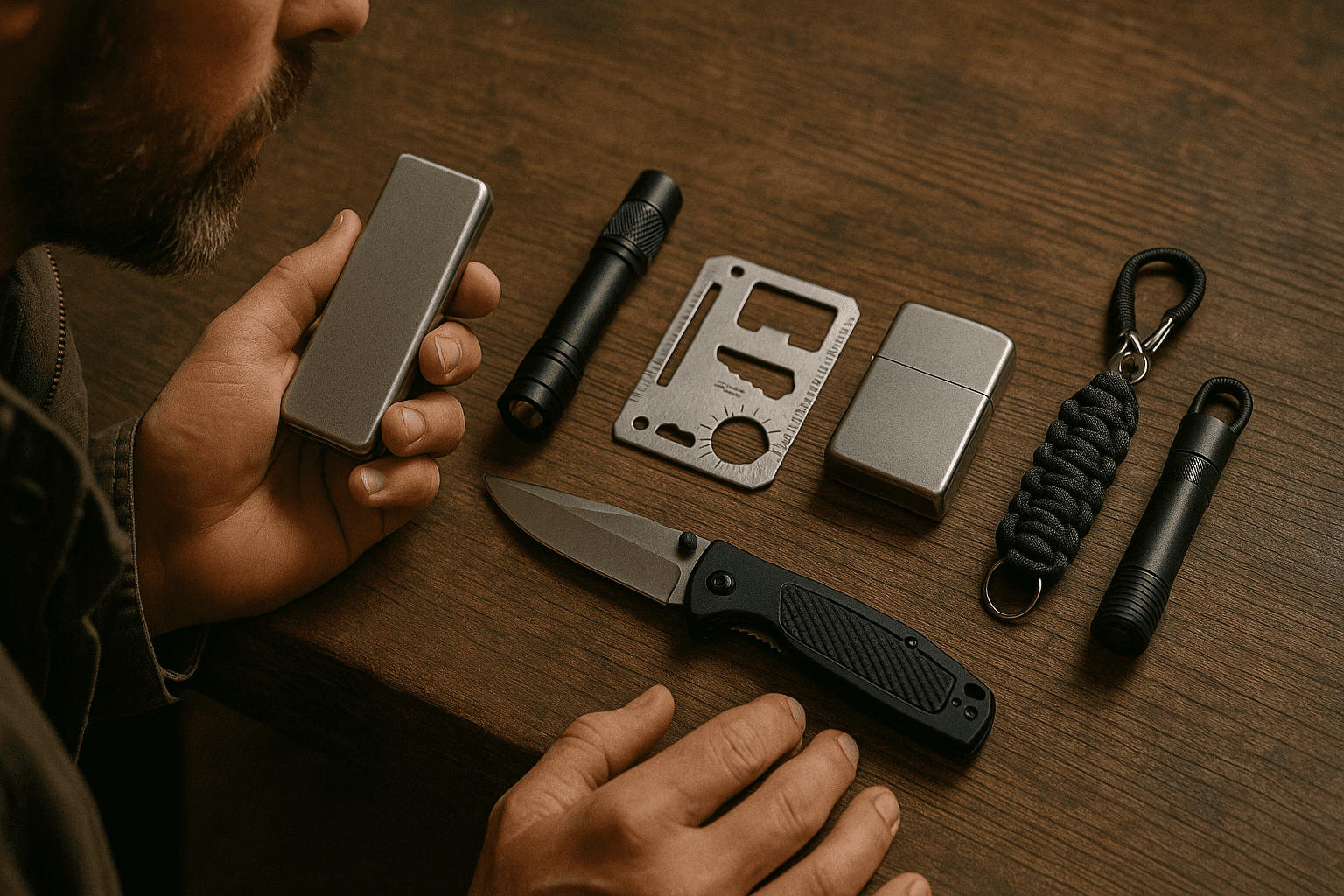
Compare the best multi-tools for survival in 2025. Leatherman, Gerber, and Victorinox head-to-head reviews with UK buying guide.
Guide to teaching children emergency preparedness without causing fear.
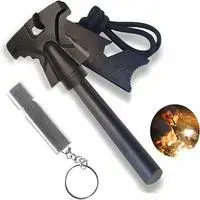
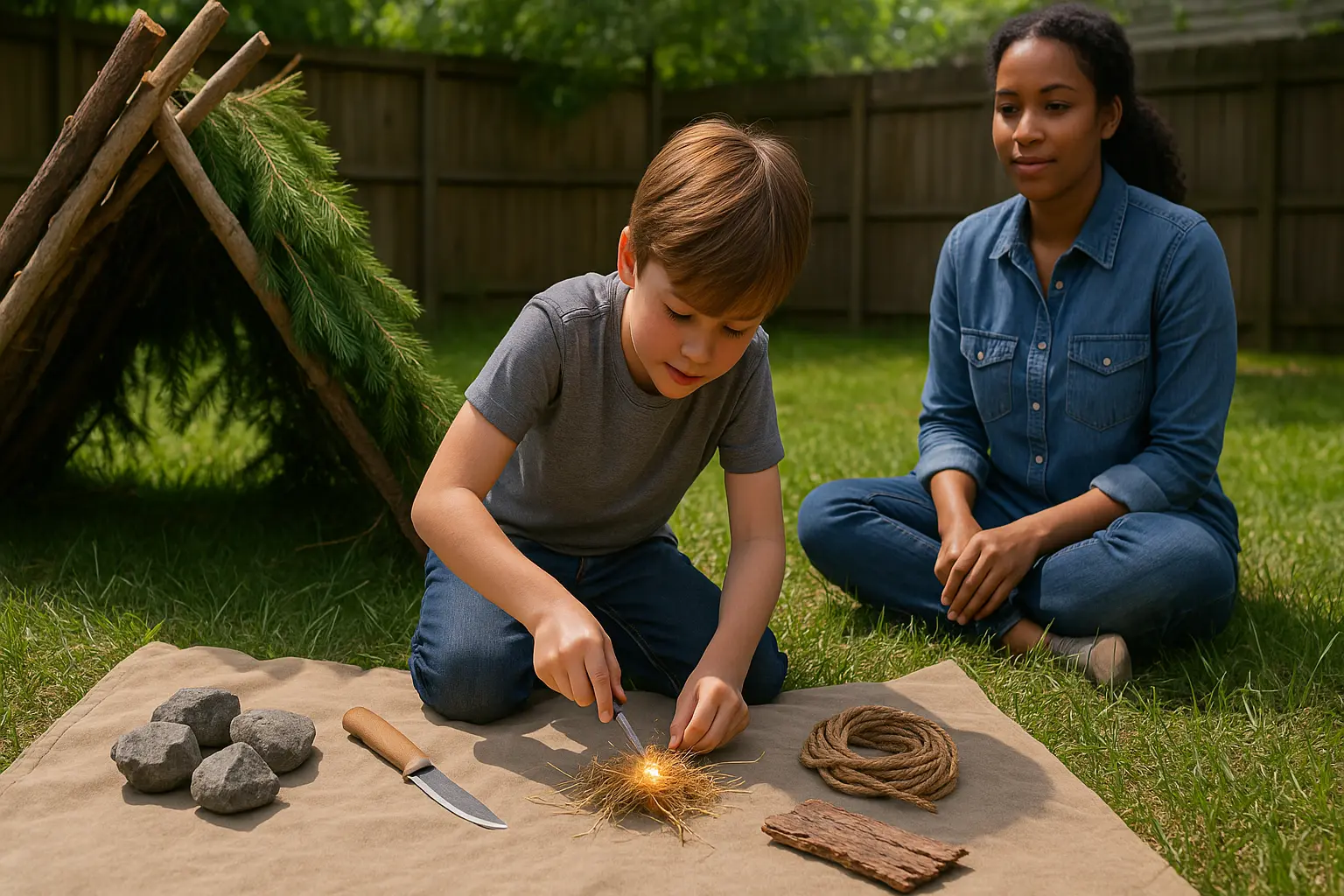
Learn 7 reliable ways to start a fire without matches or a lighter. Essential survival skill with step-by-step instructions for UK conditions.
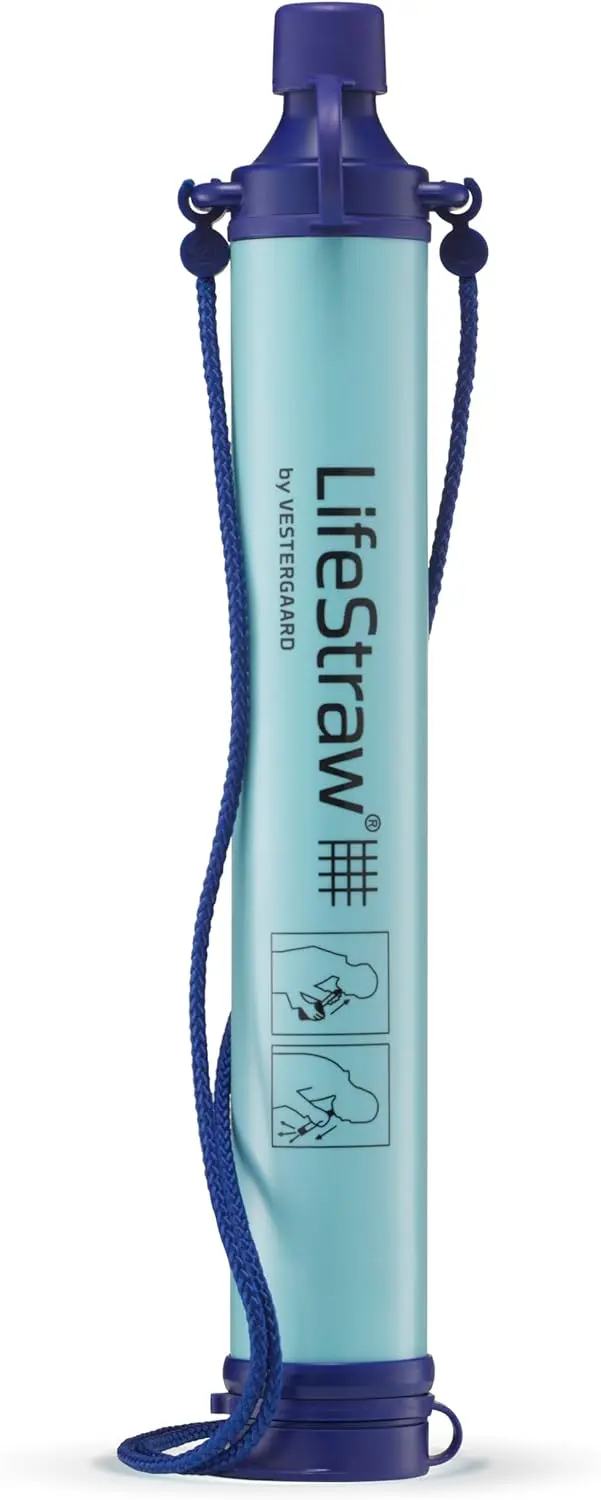
Set up rainwater collection for emergency water supply. Legal considerations and filtration for UK homes.
Everything you need to know about the UK Emergency Alert system: how it works, when it's tested, why your phone might not receive alerts, and exactly what to do when the siren sounds.
Master rescue signalling techniques. Signal mirrors, fires, ground signals to attract rescuers.
A UK 72-hour emergency kit should contain bottled water (3 litres per person per day), non-perishable food, a battery or wind-up radio, torch and spare batteries, a first aid kit, copies of important documents, cash, any essential medication, and warm clothing. The UK government's Prepare campaign recommends every household keeps supplies to cope for at least three days.
Full 72-hour kit checklist →Keep torches with spare batteries in accessible places, a power bank for phones, a battery or wind-up radio for updates, and blankets for warmth. Know how to open your garage or gates manually, keep some no-cook food in the cupboard, and note the 105 freephone number for reporting power cuts in England, Scotland and Wales.
Blackout Britain preparation guide →The best UK survival kit covers the priorities of shelter, water, warmth and communication: a quality water filter, fire-starting tools, an emergency shelter or bivvy, a torch, an emergency radio and a well-stocked first aid kit. Building your own kit around tested components usually beats cheap pre-made kits.
Our tested gear recommendations →A UK bug out bag should hold water and a filter, high-energy food for 72 hours, waterproof clothing, shelter (tarp or bivvy), a first aid kit, torch, power bank, multi-tool, copies of documents and cash. Keep total weight under 15% of your body weight and store it where you can grab it fast.
Build your first bug out bag →Start with the basics that help in any crisis: water storage, two weeks of food, alternative heating and lighting, a household emergency plan, and offline copies of key information. Then learn your local risks, identify safe locations, and keep informed through official channels such as UK government emergency alerts.
Realistic preparedness guide →Weekly survival insights
Get expert survival tips, gear reviews, and emergency preparedness updates delivered to your inbox.
No spam. Unsubscribe anytime. Your privacy is protected.