Food Storage for Emergencies: What to Stockpile and How Long It Lasts
Complete guide to emergency food storage for UK families. Learn what foods to stockpile, proper storage methods, and rotation schedules for long-term preparedness.
Why Food Storage Matters for UK Preppers
The UK imports approximately 40% of its food supply. Supply chain disruptions, extreme weather, or civil emergencies could quickly empty supermarket shelves. The COVID-19 pandemic showed how fast shortages can develop.
Having a well-planned food stockpile ensures your family won't go hungry during any crisis.
How Much Food Should You Store?
| Timeframe | Purpose | Storage Type |
|---|---|---|
| 3 days | Basic emergency | Grab bag, kitchen cupboard |
| 2 weeks | Short-term crisis | Dedicated storage area |
| 1 month | Extended emergency | Pantry system |
| 3-6 months | Major disruption | Long-term storage |
| 1+ year | Serious prepping | Specialised storage |
Start small: Even a 2-week food supply puts you ahead of 90% of the population.
Best Foods for Emergency Storage
Long Shelf Life (5-30 years)
| Food | Shelf Life | Calories/kg | Notes |
|---|---|---|---|
| White rice | 25-30 years | 3,500 | Store in airtight containers |
| Dried beans/lentils | 25-30 years | 3,400 | Complete protein with rice |
| Rolled oats | 25-30 years | 3,800 | Versatile, filling |
| Honey | Indefinite | 3,000 | Natural preservative |
| Salt | Indefinite | 0 | Essential for preservation |
| Sugar | Indefinite | 4,000 | Energy, preservation |
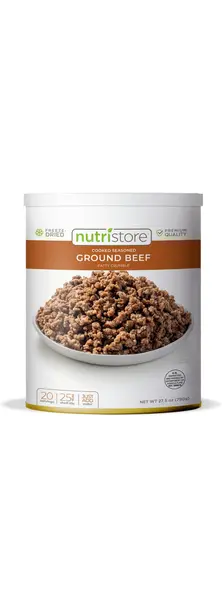
| Freeze-dried foods | 25+ years | Varies | Lightweight, premium cost |
Medium Shelf Life (1-5 years)
| Food | Shelf Life | Notes |
|---|---|---|
| Tinned vegetables | 2-5 years | Rotate regularly |
| Tinned meat/fish | 2-5 years | Good protein source |
| Tinned fruit | 2-4 years | Morale booster |
| Pasta | 2-3 years | Store dry, cool |
| Peanut butter | 1-2 years | High calorie, protein |
| Cooking oil | 1-2 years | Essential fats |
| UHT milk | 6-9 months | Unopened |
Short Shelf Life (rotation stock)
- Breakfast cereals (6-12 months)
- Crackers and biscuits (6-12 months)
- Coffee and tea (1-2 years)
- Spices and seasonings (2-4 years)
Calorie Planning
Average daily needs:
- Adult male: 2,500 calories
- Adult female: 2,000 calories
- Children: 1,200-2,000 calories (age dependent)
- Elderly: 1,800-2,200 calories
Emergency situations may increase needs due to stress, physical activity, and cold temperatures.
Sample 2-Week Supply (2 adults)
| Food | Amount | Calories |
|---|---|---|
| Rice | 5 kg | 17,500 |
| Pasta | 3 kg | 11,100 |
| Tinned beans | 12 tins | 7,200 |
| Tinned meat | 8 tins | 4,800 |
| Tinned vegetables | 10 tins | 2,000 |
| Oats | 2 kg | 7,600 |
| Peanut butter | 1 kg | 5,900 |
| Cooking oil | 1 litre | 8,800 |
| Sugar | 1 kg | 4,000 |
| Total | 68,900 |
This provides approximately 2,460 calories per person per day for 14 days.
Storage Methods
Mylar Bags with Oxygen Absorbers
- Best for: Dry goods (rice, beans, pasta)
- Shelf life extension: 20+ years
- Cost-effective for bulk storage
Food-Grade Buckets
- 5-gallon (19L) buckets with gamma lids
- Stack efficiently
- Pest-proof when sealed properly
Vacuum Sealing
- Extends shelf life 3-5x
- Good for medium-term storage
- Works well for portion control
Root Cellar / Cool Storage
- Traditional UK method
- Ideal for potatoes, carrots, onions
- Requires cool, dark, ventilated space
FIFO Rotation System
First In, First Out – Use oldest items first to prevent waste.
- Date all items when purchased
- Store new items at the back
- Pull from the front for daily use
- Check expiry dates monthly
- Donate items approaching expiry
Common Mistakes to Avoid
- Storing foods you don't eat – Only stock what your family will actually consume
- Forgetting water – Food is useless without water to cook and hydrate
- No variety – Monotony destroys morale
- Poor storage conditions – Heat, light, and moisture destroy food
- Not rotating – Food expires, even long-term storage
- Forgetting cooking fuel – Can you actually prepare your food?
Key Takeaways
- Start with 2 weeks and build from there
- Focus on calorie-dense, long-lasting foods
- Store what you eat, eat what you store
- Use proper storage methods for maximum shelf life
- Rotate stock using FIFO method
A well-planned food storage system provides security and peace of mind for whatever challenges lie ahead.