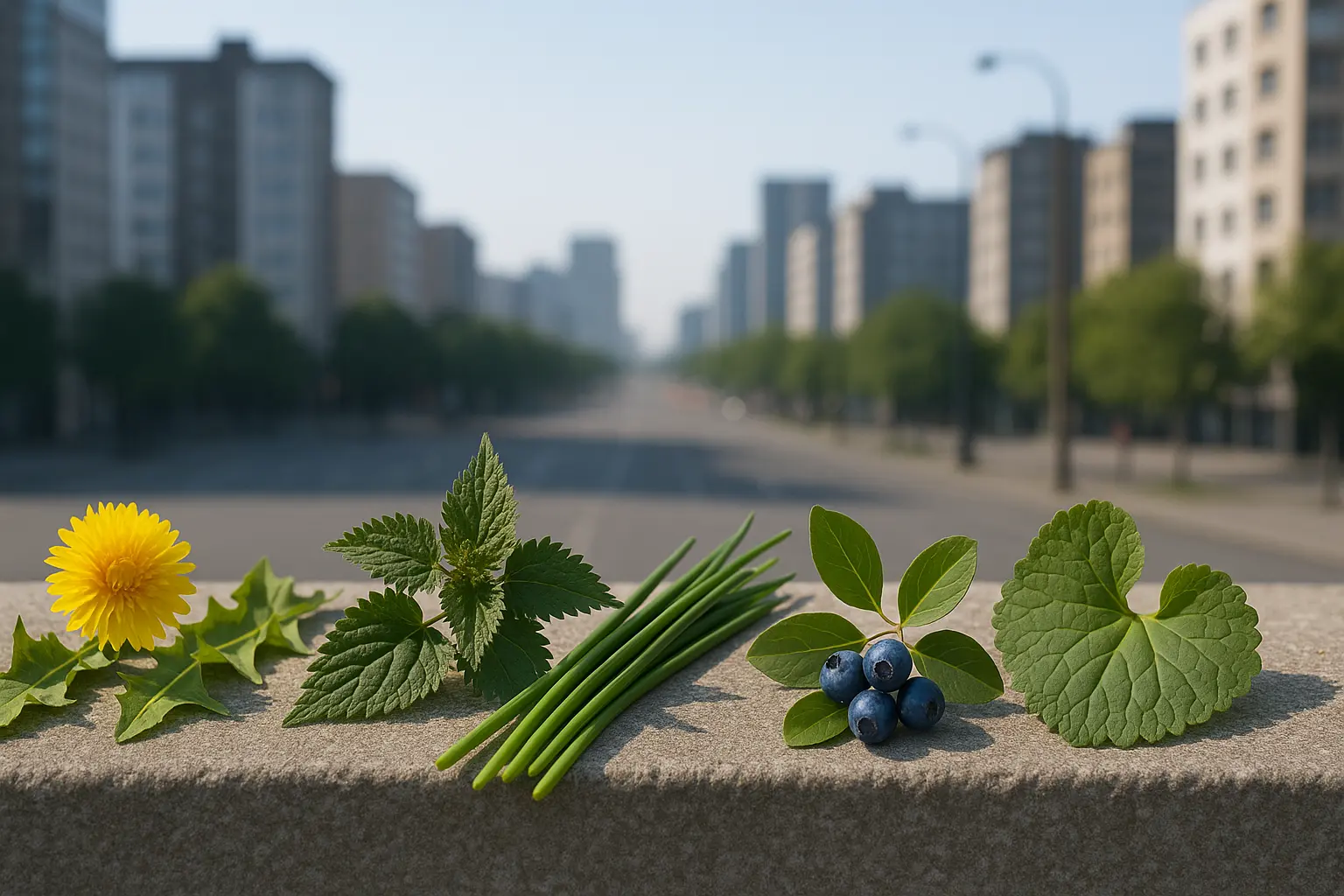
Foraging Wild Edibles UK: Safe Plants to Eat in an Emergency
Complete UK foraging guide for emergency situations. Learn to identify safe wild edible plants, avoid toxic lookalikes, and forage legally.
Emergency Foraging: Know Before You Need It
In a survival situation, knowing which plants are safe to eat could keep you alive. This guide covers the most common and easily identifiable wild edibles found throughout the UK.
Warning: Never eat anything you cannot identify with 100% certainty.
UK Foraging Law
What's Legal
- Picking wild plants for personal use is generally legal
- Foraging from public land is allowed
- Taking "the four Fs": fruit, foliage, fungi, flowers
What's Illegal
- Uprooting any plant without landowner permission (Wildlife and Countryside Act 1981)
- Foraging in protected areas (SSSIs, nature reserves)
- Selling foraged items without a license
- Taking rare or protected species
10 Safest Wild Edibles for UK Beginners
1. Stinging Nettles (Urtica dioica)
Season: March-October | Found: Everywhere
Identification:
- Serrated, heart-shaped leaves
- Square stem
- Stinging hairs on leaves and stem
Uses: Young leaves (cooked)—tastes like spinach, high in iron Warning: Wear gloves when picking. Cooking neutralises stings.
2. Dandelions (Taraxacum officinale)
Season: Year-round | Found: Lawns, fields, waste ground
Identification:
- Rosette of jagged leaves
- Single yellow flower per stem
- White milky sap
- Fluffy seed head
Edible parts: Leaves (salad), flowers (fritters), root (coffee substitute) No dangerous lookalikes when identifying all features.
3. Wild Garlic (Allium ursinum)
Season: March-June | Found: Woodlands, shady areas
Identification:
- Broad, pointed leaves
- Strong garlic smell when crushed
- White star-shaped flowers
Uses: Leaves raw or cooked, flowers as garnish Warning: Crush and smell BEFORE eating—Lily of the Valley looks similar but is deadly and has no garlic smell.
4. Blackberries (Rubus fruticosus)
Season: August-October | Found: Hedgerows, woodland edges
Identification:
- Thorny stems
- Three to five leaflets per leaf
- White/pink flowers
- Black berries when ripe
Uses: Eat raw, cook into jams, cordials No dangerous lookalikes in the UK.
5. Hawthorn (Crataegus monogyna)
Season: Year-round | Found: Hedgerows, woodland
Edible parts:
- Young leaves (March-May): "Bread and cheese"
- Flowers (May): Salads, tea
- Berries (September-November): Jellies, wine
Identification:
- Thorny branches
- Deeply lobed leaves
- White/pink flowers in spring
- Red berries in autumn
6. Elderflower/Elderberry (Sambucus nigra)
Season: Flowers June, berries September | Found: Hedgerows, waste ground
Edible parts:
- Flowers: Cordial, fritters
- Berries: MUST be cooked—raw berries are mildly toxic
Identification:
- Compound leaves (5-7 leaflets)
- Cream flower clusters
- Purple-black berry clusters
Warning: Don't confuse with Dwarf Elder (Sambucus ebulus)—smells unpleasant.
7. Chickweed (Stellaria media)
Season: Year-round | Found: Gardens, waste ground
Identification:
- Small, oval leaves in pairs
- Single line of hairs on stem
- Tiny white flowers with split petals
Uses: Salads, sandwiches, cooked greens High in vitamin C
8. Wood Sorrel (Oxalis acetosella)
Season: March-September | Found: Woodland
Identification:
- Three heart-shaped leaflets (like clover)
- Leaves fold at night
- White flowers with purple veins
Uses: Raw in salads, pleasant lemony taste Warning: Contains oxalic acid—don't eat large quantities.
9. Hazel Nuts (Corylus avellana)
Season: September-October | Found: Hedgerows, woodland
Identification:
- Round nuts in leafy husks
- Soft-haired round leaves
- Catkins in spring
Uses: Eat raw or roasted, high in calories Collect when husks turn brown but before squirrels get them!
10. Cleavers/Goosegrass (Galium aparine)
Season: Spring-Summer | Found: Hedgerows, gardens
Identification:
- Whorls of narrow leaves
- Sticky, clinging stems
- Small white flowers
Uses: Young shoots cooked like spinach, seeds roasted as coffee substitute
Deadly Plants to Avoid
| Plant | Toxic Part | Symptoms |
|---|---|---|
| Hemlock | All | Paralysis, death |
| Deadly Nightshade | All, especially berries | Hallucinations, death |
| Foxglove | All | Heart failure |
| Lords-and-Ladies | All | Severe burning, swelling |
| Yew | All except berry flesh | Heart failure, death |
| Lily of the Valley | All | Heart failure |
When in doubt, don't eat it.
Foraging Safety Rules
- 100% identification or don't eat
- Start with small amounts to test reactions
- Avoid polluted areas (roadsides, industrial sites)
- Wash everything before eating
- Take only what you need
- Know first aid for poisoning
Key Takeaways
Learning to forage takes practice and study. Start with the easiest, safest plants and build your knowledge gradually. A foraging guide book with photos is an essential investment.