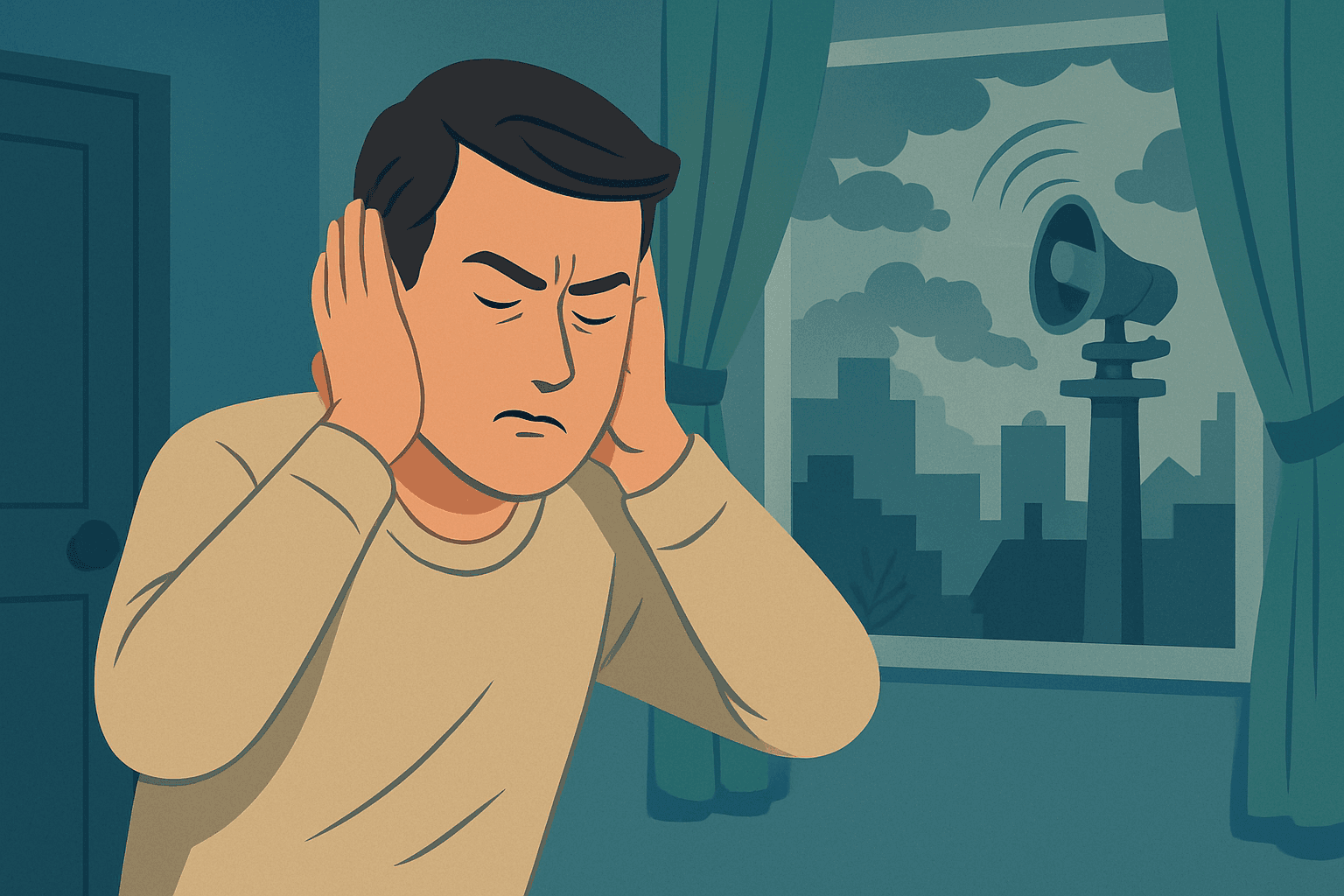
If You Hear the Sirens: 5 Things You Must Do Immediately
When sirens sound, seconds count. These 5 immediate actions could save your life in a nuclear or air attack.
Imagine This: The Sirens Begin to Wail
It’s just an ordinary afternoon. You’re scrolling your phone, making tea, or maybe walking the dog.
Suddenly, that sound – low, haunting, unnatural – echoes across the city.
Civil defense sirens, the kind you’ve only heard in movies or history documentaries.
You freeze for a split second. Your mind races: Is this a drill? A prank? An accident?
But the sirens don’t stop.
Your next five minutes matter more than perhaps any in your entire life.
Why the Sirens Matter: Seconds vs. Survival
Air raid and nuclear attack sirens are not for show.
They are the final line between routine and catastrophe. When you hear them, the clock starts ticking – not just for yourself, but for your family, neighbors, and anyone within earshot.
In cities from London to Kyiv, Tokyo to Tel Aviv, sirens have sounded before disaster. Sometimes, seconds make all the difference.
Here’s what you must do — immediately, and without hesitation.
1. Drop Everything—Seconds Count
You’ll want to run to a window, grab your valuables, call someone, check Twitter.
Don’t.
In real emergencies, “curiosity kills” isn’t just a saying—it’s deadly. The more time you lose, the less protection you’ll have.
Survival begins the moment you act.
Drop your shopping, leave the washing, abandon your car if you must.
Real Example:
In 2014, a family in Donetsk survived a missile attack because they ignored their urge to watch from the balcony.
Their neighbors didn’t. The outcome was tragic.
2. Get Inside—Any Shelter Beats the Street
Your home is best, but anything with four walls is better than being outdoors.
Shops, stairwells, parking garages—even public toilets—can shield you from debris, blast waves, and radioactive dust.
Key Principles:
- Move perpendicular to the likely threat (don’t run towards sirens, but away from city centers if outside).
- Don’t waste time looking for the “perfect” shelter—use what’s close.
Micro-Story:
A survivor of the 1999 NATO bombing in Belgrade was saved by ducking into a metro underpass instead of sprinting for home.
She made it.
Those caught in open streets did not.
3. Head Low, Head Inward—Shield Yourself
Inside, the next step is to put barriers between you and the outside world.
Go to the lowest possible floor (basement, underground car park), or if not possible, the most interior room with no windows.
- Stairs: Go down, not up (top floors are exposed to blast/fallout).
- Windows: Avoid at all costs. Blast waves turn glass into shrapnel.
- Hallways, closets, bathrooms in the center of the building are usually safest.
If you’re in a tower block:
Get as low as you can and put as many walls between you and the outside.
4. Seal and Fortify—Block Out the Danger
This is not Hollywood. Fallout and toxic air can seep in through the tiniest cracks.
You have only minutes—maybe less—to turn your shelter into a shield.
Do This Fast:
- Slam and lock all windows and doors.
- Use towels, clothing, duct tape, bin bags, foil, even wet newspapers to seal gaps.
- Turn off AC, fans, vents—anything that brings air from outside.
If you have pets:
Bring them in—every life counts, and animals are especially vulnerable.
5. Information Is Your Lifeline—But Only from Trusted Sources
Adrenaline will urge you to check your phone, scroll social media, call friends.
You need information, but bad information kills.
- Turn on a battery or wind-up radio—don’t rely on WiFi or mobile networks (which may be overloaded or dead).
- Tune to official channels: In the UK, BBC Radio 4; in the US, NOAA Weather Radio.
- Ignore rumors and panic online. Only government “all clear” matters.
Don’t make assumptions.
There may be secondary strikes, aftershocks, or delayed fallout.
What to Expect in the Next 60 Minutes
- Initial shock: Windows may rattle, lights may flicker, mobile signal could disappear.
- Emergency broadcasts: Instructions on sheltering, water use, evacuation routes.
- Silence: The world outside may go eerily quiet. Stay sheltered—danger isn’t over until officials say so.
Psychology of the Siren: Why People Freeze (and How to Beat It)
Humans are wired to doubt their senses in a crisis—“maybe it’s just a test,” “this can’t be real.”
Studies show people waste up to 70% of their reaction time debating, doubting, or collecting belongings.
Train yourself now:
- Imagine the siren.
- Rehearse your response: Drop, run, shelter, seal, listen.
- Teach your family the same sequence.
- Make it muscle memory, not a decision.
Prepare Ahead: Mini Siren Survival Checklist
| What To Prep | Why |
|---|---|
| Know your safe spots | Saves precious seconds |
| Duct tape/plastic | For sealing windows/doors |
| Torch, radio, batteries | Light & info in power outage |
| Water, snacks | If you’re stuck for 24–48 hrs |
| List of contacts | Written, not just on your phone |
| Practice drill | Make reaction automatic |
3 Common Mistakes That Cost Lives
- Looking for the perfect shelter instead of using the nearest one
- Wasting time on personal belongings
- Trying to drive away instead of sheltering in place
Speed trumps perfection. Proximity beats luxury.
What If You're Outside or in a Car?
- Abandon the car if traffic is gridlocked—find the nearest structure and go inside.
- If truly nothing is nearby, lie flat in a ditch, cover your head, and protect your mouth/nose with fabric.
What If You’re With Children, Elderly, or Pets?
- Assign one adult per vulnerable person (buddy system).
- Prepare “go bags” with comfort items for kids—reduces panic.
- Practice the plan together—make it a family drill, not a lecture.
Real-World: Why the Sirens Still Matter
In 2022, Ukrainian civil defense saved thousands because people understood:
The sirens mean “act now, ask questions later.”
The difference between life and death was usually a matter of seconds.
Conclusion: Don’t Wait. Don’t Wonder. MOVE.
If the sirens wail, the rules are simple:
Drop everything. Get inside. Go low, go central. Seal, stay calm, and wait.
You’ll never regret moving too fast—but the world is full of people who hesitated for just one moment too long.
Preparedness is peace of mind.
Read, rehearse, and remember—if you ever hear the sirens, you’ll know what to do.
For more real-world survival guides, prepping checklists, and psychology of crisis, subscribe to our blog or share this guide with your loved ones today!