Urban Survival: Essential Skills for City Dwellers
Master the top urban survival skills every city dweller needs. From blackouts to civil unrest, be prepared for anything.
Why Urban Survival Skills Matter in the City
Cities can be challenging environments during crises—power outages, transport strikes, severe weather, or even civil unrest. Urban survival skills help you navigate unexpected situations, protect yourself, and support your community. This guide covers everything you need to know.
Quick Facts: Urban Survival in the UK
| Challenge | Urban Reality |
|---|---|
| Blackouts | UK cities experienced 100+ local outages in 2023 |
| Water Supply Interruptions | Main breaks and repairs are common in urban zones |
| Public Transport Strikes | London sees several per year |
| Street Crime | Higher rates in city centres |
| Severe Weather Events | Floods and storms disrupt city life more often |
Tip: The best time to prepare for an emergency is before it happens. Don’t wait—start building your urban survival plan today!
Top 7 Urban Survival Skills Every City Dweller Should Learn
1. Situational Awareness
- Stay alert to your surroundings, especially in crowded or unfamiliar areas.
- Trust your instincts and avoid distractions (like phones) when moving through the city.
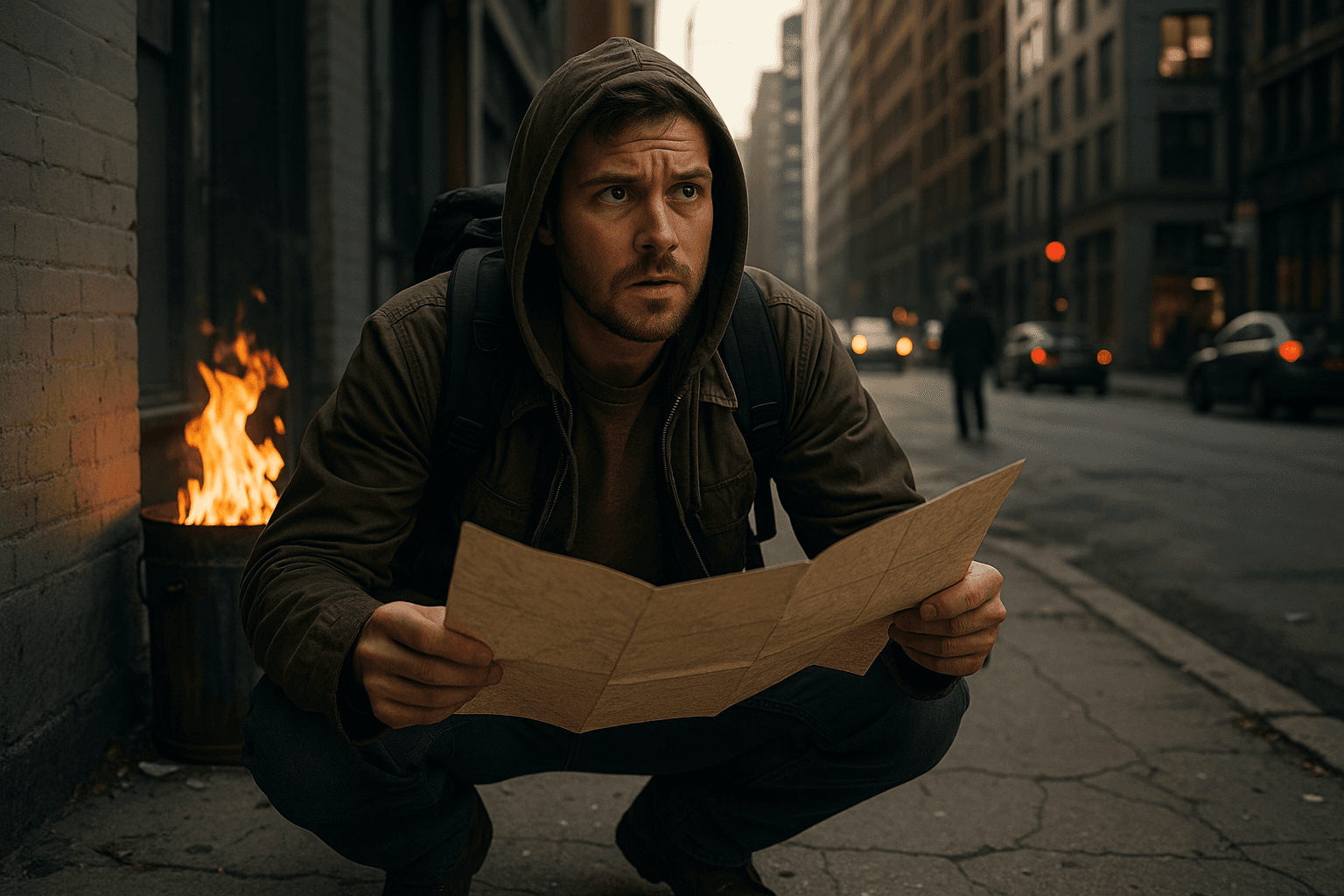
2. Navigation and Mapping
- Learn main roads, side streets, and public transport routes—both on foot and by vehicle.
- Download offline maps to your phone.
- Know alternative routes in case of roadblocks or transport shutdowns.
3. Emergency Communication
- Always keep your phone charged (carry a portable power bank).
- Save key emergency numbers and local contacts.
- Use messaging apps for updates if networks are overloaded.
4. First Aid and Self-Care
- Take a basic first aid course—know how to treat cuts, burns, and perform CPR.
- Carry a small first aid kit in your bag.
- Know locations of nearby hospitals and pharmacies.
5. Self-Defence and Personal Safety
- Take a self-defence class or learn basic escape techniques.
- Carry a personal alarm or whistle.
- Walk in well-lit areas at night and avoid isolated shortcuts.
6. Resourcefulness and Improvisation
- Learn to use everyday objects for multiple purposes (e.g., scarf as a bandage).
- Keep a basic toolkit for home repairs and emergencies.
- Stock up on essentials—water, snacks, batteries, cash (small notes/coins).
7. Community Networking
- Know your neighbours and local community groups.
- Share resources and information during crises.
- Join local online forums or apps (e.g., Nextdoor) for real-time alerts.
Urban Survival Essentials: What to Carry Every Day (EDC)
| Item | Purpose |
|---|---|
| Phone & Charger | Communication and navigation |
| Multi-tool | Repairs and improvisation |
| First Aid Kit | Medical emergencies |
| Torch (Flashlight) | Navigating in the dark |
| Reusable Water Bottle | Hydration |
| Personal Alarm/Whistle | Safety and deterrence |
| Cash | Small purchases when cards/ATMs are down |
How to Prepare Your City Home for Emergencies
- Keep a grab bag with essentials: food, water, clothing, first aid, and documents
- Store extra batteries, a battery-powered radio, and spare phone charger
- Have a printed list of emergency contacts and local shelters
- Install smoke and carbon monoxide detectors—test regularly
- Know how to shut off water, gas, and electricity in your building
Staying Informed and Alert in the City
- Sign up for city alerts (Met Office, local council, police)
- Follow reliable news and community sources on social media
- Download alert apps for severe weather, traffic, and public safety updates
What to Do During Common Urban Emergencies
Power Outage
- Use a torch, not candles, to avoid fire risk
- Unplug electronics to prevent damage when power returns
- Move to a safe, public area if your building is unsafe
Transport Shutdown
- Have backup travel options (bike, walking route, rideshare apps)
- Work from home if possible; keep essentials stocked
Civil Unrest or Protests
- Avoid affected areas—check updates before leaving home
- Remain indoors and lock doors/windows if unrest is nearby
- Stay calm and do not engage with crowds
Frequently Asked Questions (FAQ)
What is the best urban survival kit for city dwellers?
A kit with water, food, first aid, a torch, charger, cash, documents, and local maps is best for city emergencies.
How can I stay safe from crime in urban areas?
Stay aware, stick to busy, well-lit streets, avoid showing valuables, and trust your instincts.
How much water should I store at home in the city?
Keep at least 2 litres per person per day for 3 days, plus extra for pets.
Conclusion
Urban survival skills aren’t just for doomsday preppers—they’re for everyone who wants to feel confident, resourceful, and ready in a modern city. With the right preparation, you can handle power cuts, floods, or unexpected emergencies and help your community too.